
Microsoft Security Copilot is quickly becoming one of the most practical ways to operationalise AI in security.

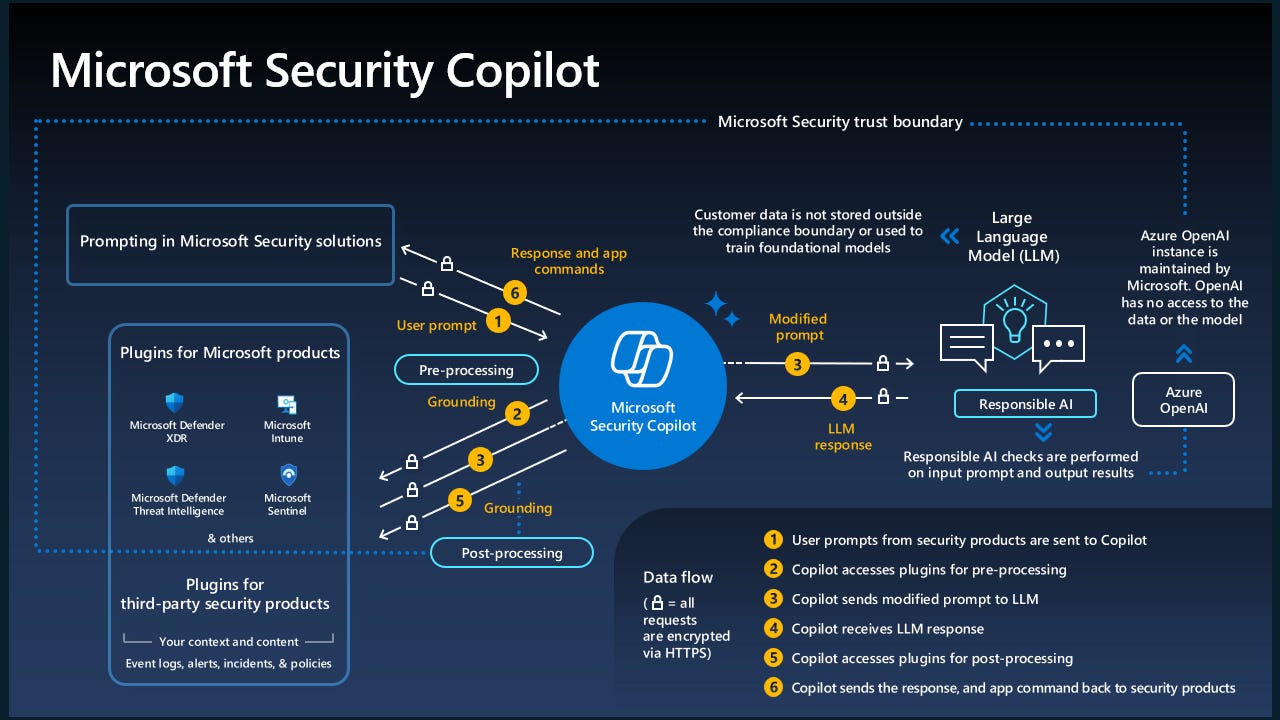
Building agents for Microsoft Security Copilot is quickly becoming one of the most practical ways to operationalise AI in security.
I was going through the latest development toolkit, and one thing stands out: this is not just about “using AI” it is about designing security workflows that actually scale.
The pattern is simple but powerful:
Start with a clear objective. What problem are you solving? Triage, threat hunting, access reviews, incident response
Define the capabilities. What should the agent do? Summarise, correlate, automate, trigger actions
Connect to your ecosystem. Sentinel, Defender, Graph, APIs
Build with the right approach. No code in the portal or full developer control in VS Code
Test, optimise, and iterate. Agents are not static, they evolve
What I like most is the flexibility. You can go from natural language to a working agent in minutes, or build deeply customised solutions using MCP tools and developer frameworks.
This is where things get interesting for SOC teams:
Agents are not replacing analysts.
They are removing the repetitive work so analysts can focus on decisions.
We are moving from:
❌Reactive alert handling
to
✅Automated, contextual, AI-driven workflows
If you are working with Microsoft Security today, this is worth exploring.
The real question is not if you build agents, it is what workflows you choose to automate first.
Ready to start your agentic security transformation? Check out this link: https://aka.ms/SecurityCopilotDeveloperToolkit
#MicrosoftSecurity #SecurityCopilot #AI #CyberSecurity #SOC #MicrosoftSentinel #Automation #MSPartnerUK #SIEM #XDR #Sentinel #Microsoft